
Best Aftermarket Performance Exhaust Picks
Looking for the best aftermarket performance exhaust? Learn what actually matters for sound, power, fitment, and daily driving before you buy.
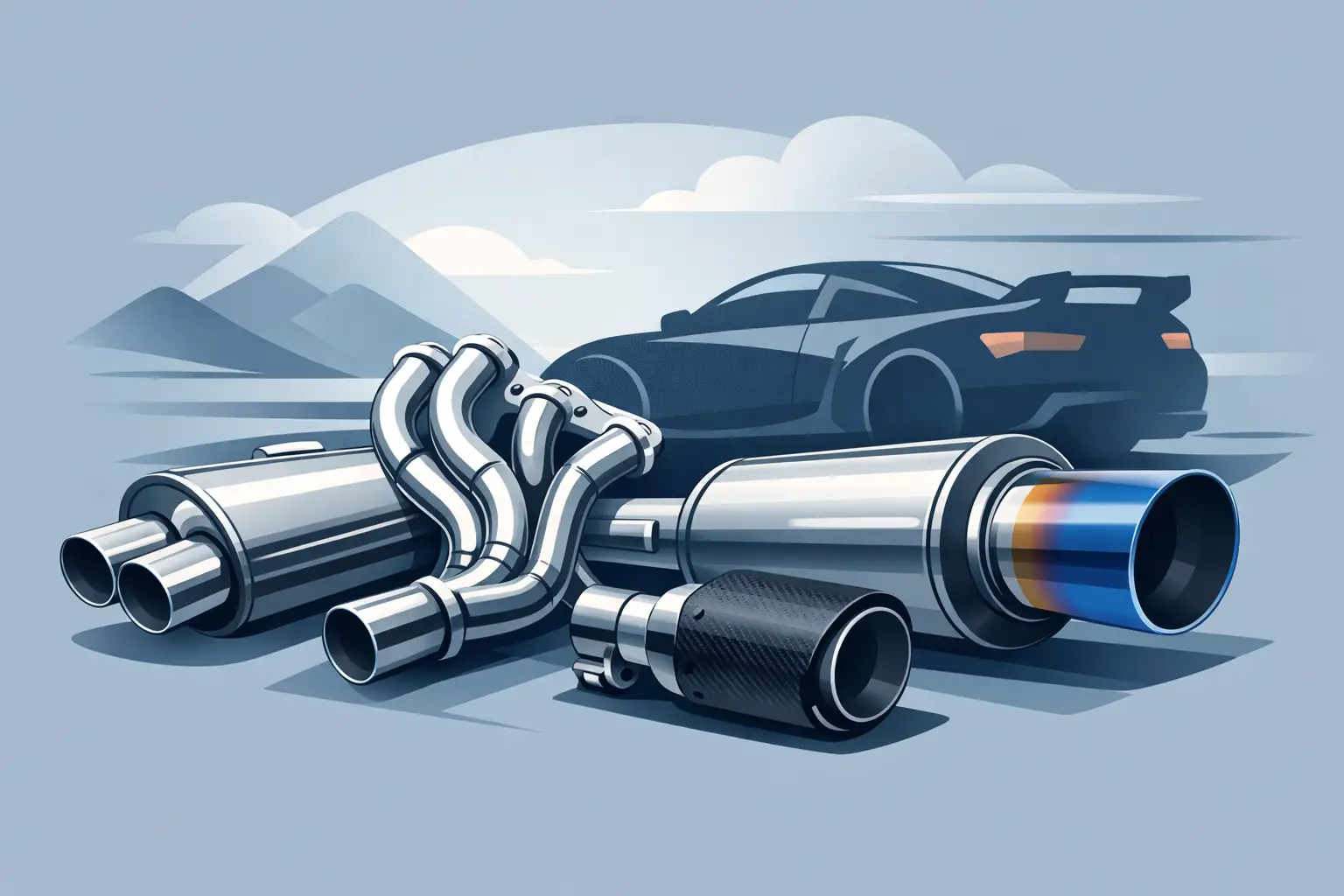
The wrong exhaust will remind you every morning. Cold start drone, cheap welds, a tip that sits crooked in the bumper, and a tone that sounded great in a video but gets old by the end of the week. If you're shopping for the best aftermarket performance exhaust, the real goal is not just more noise. It's getting the right mix of power, sound, fitment, and long-term livability for your platform.
That matters even more on Japanese performance cars, where one exhaust can completely change how the car feels. A well-matched system can wake up a K-series, clean up the note on a VQ, or help a turbo 4 breathe without turning the cabin into a headache on the highway. A bad one does the opposite. It makes the car feel cheaper, not faster.
What makes the best aftermarket performance exhaust?
There is no single exhaust that wins for every car and every owner. The best aftermarket performance exhaust for a street-driven RSX is not automatically the best choice for a 350Z track build or a turbocharged Evo that already has supporting mods. The right answer depends on engine layout, whether the car is naturally aspirated or turbocharged, your local noise rules, and how you actually use the car.
Build quality is the first filter. Material matters, and so does the quality of the bends, flanges, welds, and hangers. T304 stainless usually holds up better than lower-grade stainless or mild steel, especially if the car sees winter roads or lives outside. Cheap systems can look decent in photos, then show up with thin tubing, sloppy welds, and fitment that needs extra persuasion. If you've ever had to loosen every hanger and still fight to center the muffler, you know that quality on paper is not the same as quality under the car.
Sound is the next piece, and this is where most buyers get burned. Loud does not equal good. On a B-series Honda, a straight-through setup can sound sharp and clean at higher rpm, but the wrong resonator choice can make it buzzy and harsh down low. On a VQ35, the wrong muffler design can produce that trumpet-like rasp owners try hard to avoid. Turbo cars are a little more forgiving because the turbine cuts some sound, but even then, too little muffling can leave the car coarse and tiring to drive.
Then there is performance. A good exhaust should reduce restriction without killing the car's character. Bigger is not always better. A mild street setup on a naturally aspirated car may lose some low-end response if the piping is oversized. Turbo cars usually respond well to freer flow, but if the rest of the setup is stock, the gains may be modest compared with what marketing claims suggest. Real improvements usually come when the exhaust is part of a complete plan, not a random bolt-on.
Cat-back, axle-back, or full system?
For most enthusiasts, a cat-back is the sweet spot. It changes the tone, improves flow, and usually avoids the extra complications that come with modifying everything from the headers or downpipe back. On cars like the 370Z, Civic Si, Integra, or Mazdaspeed3, a quality cat-back often delivers the biggest improvement per dollar if you want a noticeable upgrade without making the car miserable to live with.
Axle-back systems are simpler and cheaper, but they are mostly about sound and appearance. You may get a cleaner rear-end look and a more aggressive note, but do not expect major gains. They make sense if you like how the stock mid-pipe behaves and just want to change the car's personality a bit.
A full exhaust setup makes the most sense when the build is moving beyond basic bolt-ons. Headers on a naturally aspirated setup or a larger downpipe on a turbo car can add power, but they also add complexity. Fitment gets tighter, heat management matters more, and emissions compliance becomes a real consideration depending on where you live. That is where a lot of buyers regret chasing peak numbers instead of buying for how the car will actually be used.
Best aftermarket performance exhaust features to look for
If you're trying to separate a solid system from a flashy one, start with the basics a real shop pays attention to. Look for mandrel bends, properly placed hangers, solid flange alignment, and hardware that does not feel like it came from the bottom drawer. Resonators are a good sign when they are used correctly. They help control rasp and drone without choking the system.
Muffler design matters more than many buyers think. Straight-through mufflers usually flow well and suit performance builds, but not all of them sound refined. Chambered designs can help shape tone, though they are less common on JDM applications. Tip size and style are mostly personal preference, but oversized tips can look out of place fast, especially on cleaner OEM-plus builds.
Fitment reputation matters too. That is one reason experienced buyers often prefer brands and parts sources with a track record on specific platforms. The best exhaust for an AP1 S2000 is one that clears correctly, sits evenly, and does not need a custom fix after installation. The same goes for a G35 coupe, a DC5, or an Evo X. Platform-specific knowledge saves time, and it usually saves money.
Matching the exhaust to your platform
Honda and Acura owners usually have to manage rasp and cabin noise more carefully than they expect. High-revving four-cylinders can sound amazing when the exhaust is tuned properly, but thin-wall piping and poor resonator design get obnoxious fast. For a street car, a slightly more conservative cat-back often ends up being the smarter choice than the loudest option available.
Nissan and Infiniti owners, especially those with VQ engines, should be even pickier. These cars can sound excellent with the right exhaust, deep and aggressive without being chaotic. They can also sound flat-out bad with the wrong setup. Resonated systems and well-designed mufflers usually earn their price here.
Mitsubishi turbo cars respond well to freer-flowing exhausts, but they still need balance. An Evo or DSM with a giant, unrestricted setup may make sense on a higher-power build, but for a street-driven car, some sound control goes a long way. Mazda owners, especially Speed platform owners, deal with a similar trade-off. Turbo benefits are real, but drone can ruin a daily.
This is also why used and aftermarket sourcing has to be handled carefully. A clean, inspected take-off from a known brand can be a smarter buy than a brand-new no-name system with questionable welds and poor fitment. At A-Solutions Auto Parts, that kind of distinction matters because the difference between a usable upgrade and a headache usually shows up after the box is opened, not before.
Sound clips lie a little
Every enthusiast has bought a part after hearing it online and then realized the real-world result was different. Microphones compress sound. Camera placement changes tone. One car has a header, another has a stock catalytic converter, another is tuned, and another has an exhaust leak the seller forgot to mention. What you hear in a clip is a rough reference, not a guarantee.
That is why it helps to think in categories instead of chasing one perfect video. Do you want deep and restrained, aggressive but daily-drivable, or loud enough that comfort no longer matters? Be honest about that before buying. A lot of owners say they want race-car sound, but what they really want is a more serious tone without drone on the interstate.
When expensive is worth it, and when it isn't
A premium exhaust can be worth every dollar if the engineering is there. Better materials, cleaner fitment, smarter resonator design, and more refined sound usually cost more for a reason. On the right car, the difference is obvious.
But price alone is not proof of quality. Some systems charge premium money mostly for branding, while a lesser-known option may perform just as well. On the used side, a high-end exhaust in solid condition can be one of the best value upgrades you can make. You just need confidence in condition, completeness, and fitment before buying.
If your budget is tight, spend where it matters most. Prioritize quality construction and proven fitment over polished tips or hype. An exhaust that installs right, sounds right, and lasts is the better deal every time.
The smart way to choose
The best aftermarket performance exhaust is the one that fits your car, your goals, and your tolerance for noise after the excitement of install day wears off. Buy for the actual build, not the comment section. Think about material quality, tone, piping size, and platform reputation before you think about peak volume.
A good exhaust should make you want to keep driving the car, not start planning how to tone it down two weeks later. If you choose with that in mind, you'll end up with a setup that feels like part of the build instead of a part you'll replace.